Skip to content

Cart

Your cart is empty

Continue shopping

The Virtues of Resins and Balms

BotanicaAug 7, 2025

They flow slowly from the trunks, gleaming like liquid amber, before solidifying into translucent tears. Resins and balms are among the oldest plant substances used by humankind.

They flow slowly from the trunks, gleaming like liquid amber, before solidifying into translucent tears. Resins and balms are among the oldest plant substances used by humankind, once burned in temples, applied as remedies, or worn as amulets. Their power is not merely aromatic: they carry memory, protection, and the promise of a bridge between the earthly and the spiritual.

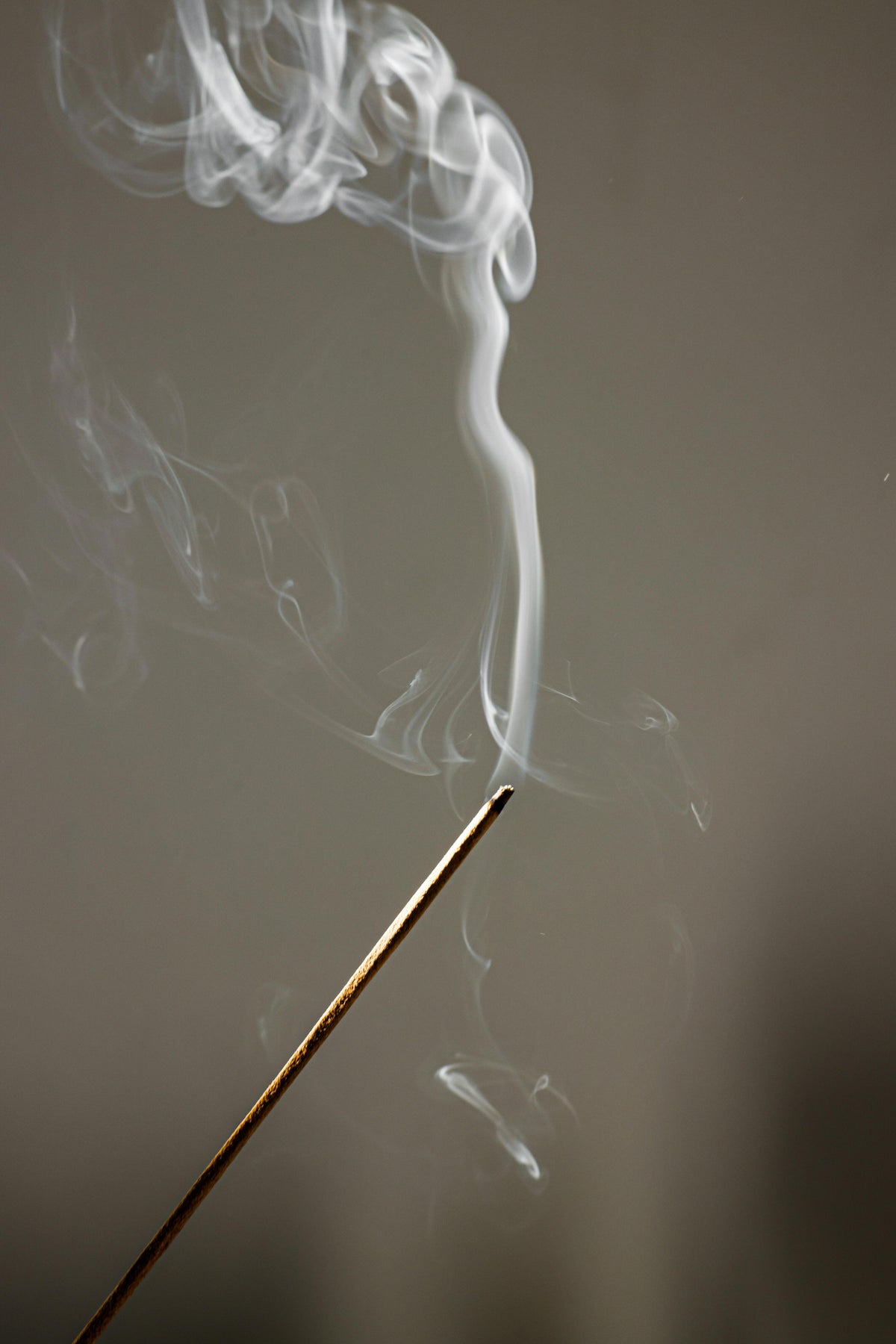
Frankincense is perhaps the most renowned. Native to the Arabian Peninsula and the Horn of Africa, it has accompanied sacred rituals for millennia. Its white smoke rises like a bridge toward the sky. It is said to purify, to soothe the heart, to calm tension, and to foster meditation.

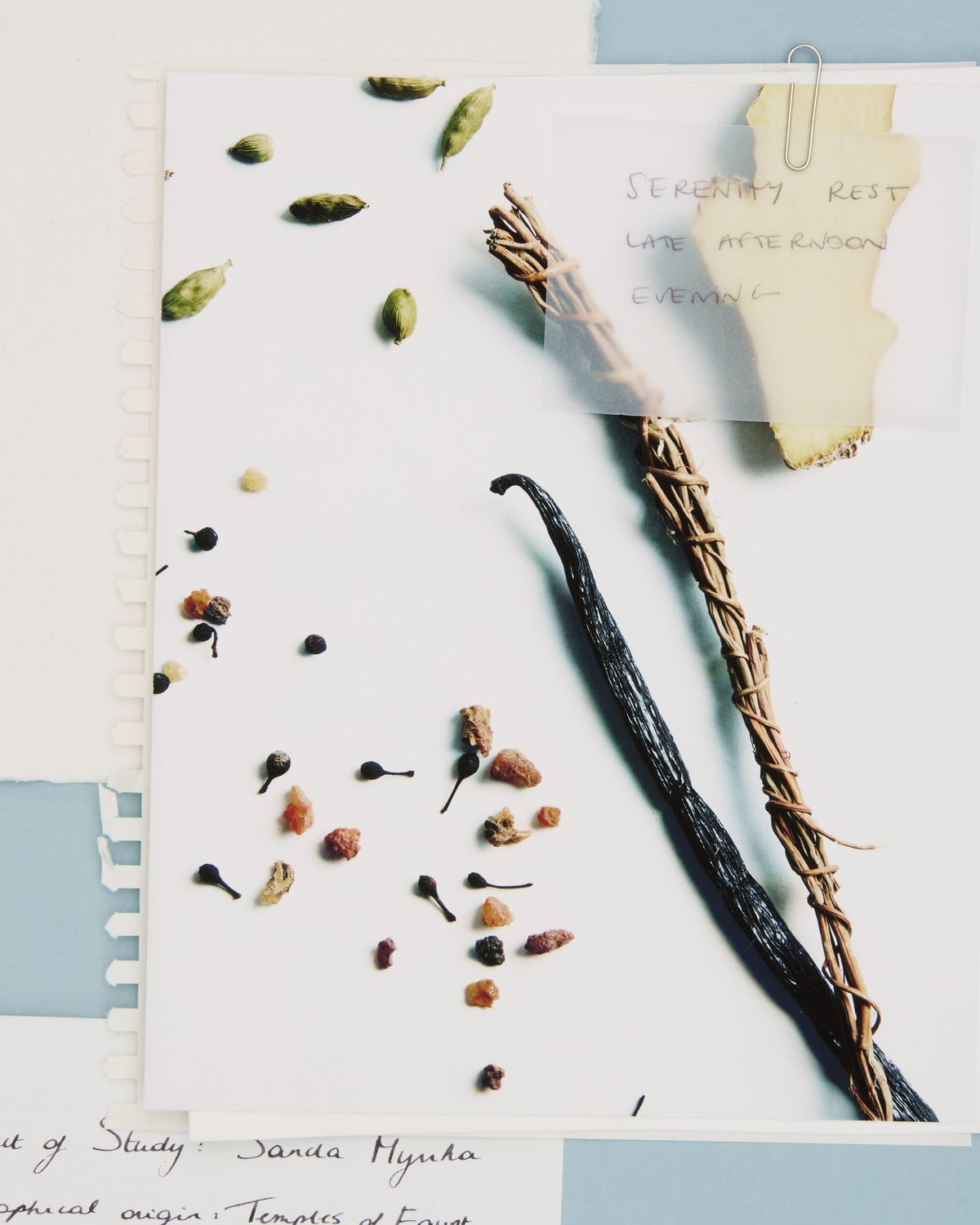
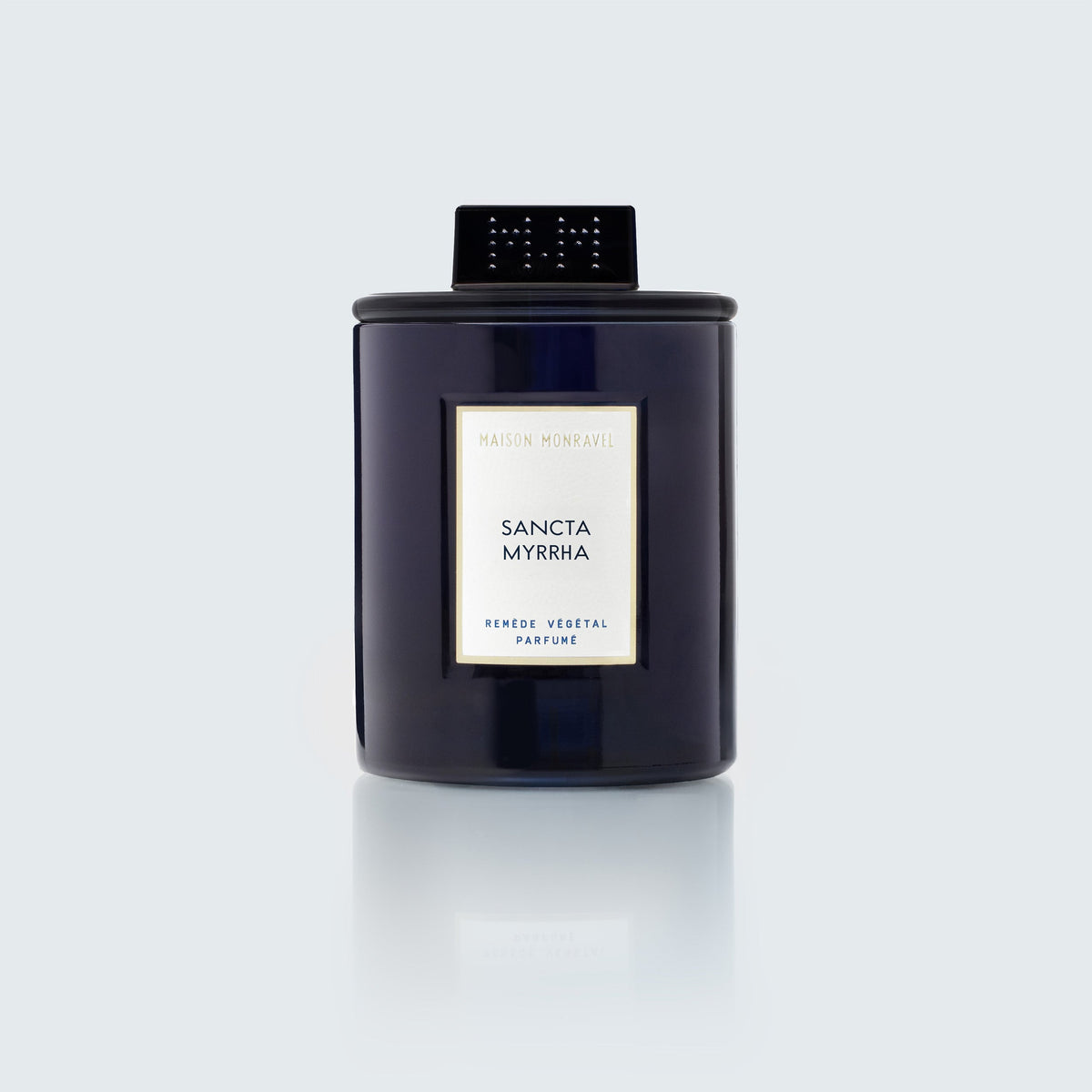
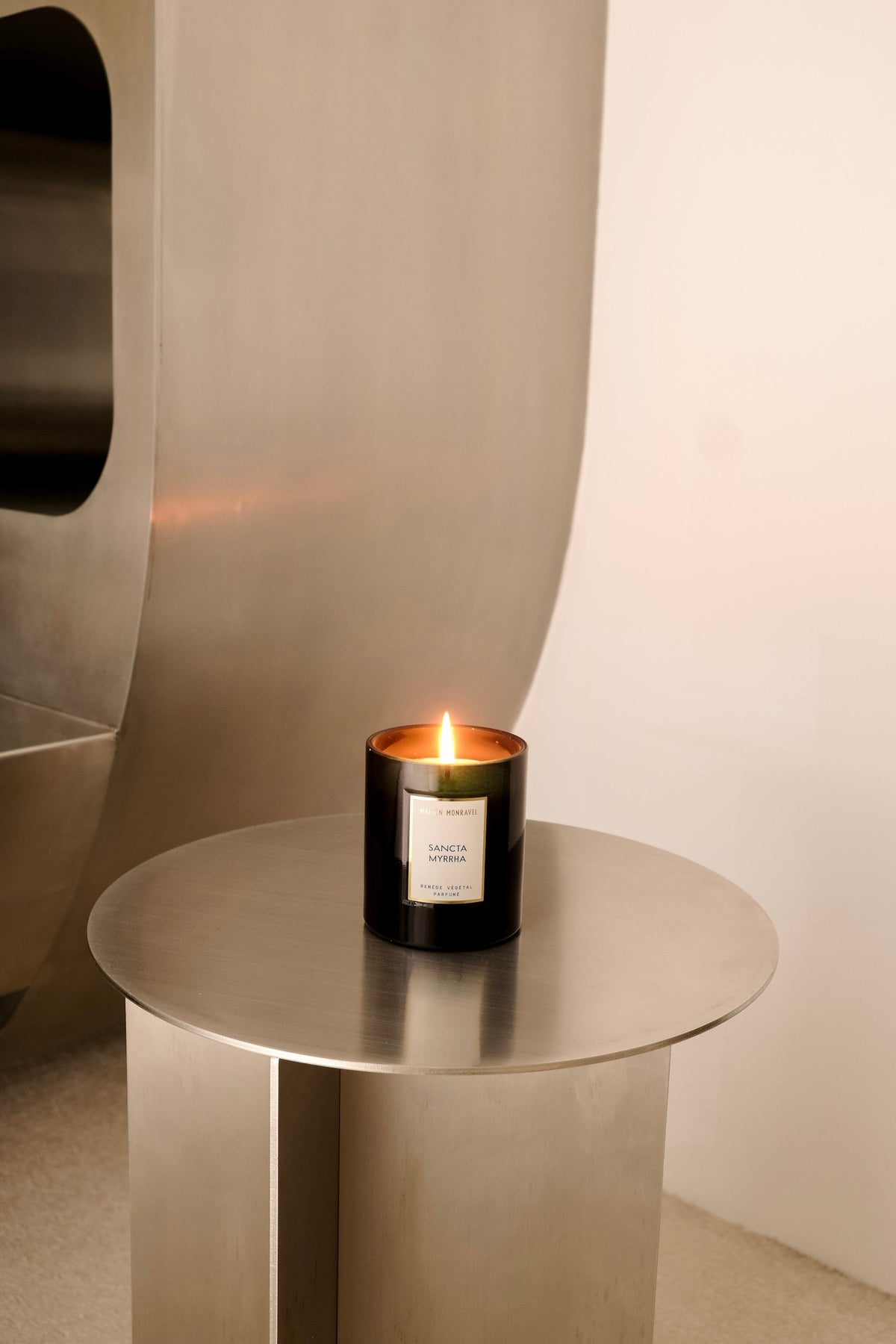
Myrrh, darker in nature, tells another story. Its scent is more bitter, resinous, almost medicinal. Used in ancient Egypt for embalming, it symbolizes solace and protection in sacred texts. In ancient rituals, it served to purify and to consecrate. It still carries that solemn, protective aura today.

Benzoin, softer and more tender, releases a balsamic, vanilla warmth. Native to Southeast Asia, it has long been used to calm and soothe. Burned in homes to cleanse the air and quiet the spirit, its fragrance comforts, like an invisible blanket wrapping both body and soul.

Balms such as Peru balm or Tolu balm add a more sensual dimension. Their warm, sweet aromas evoke honey and vanilla. Long used in traditional pharmacopoeias and in rituals of appeasement, their balsamic softness is linked to restoration and comfort.

All these substances share a common virtue: they create a space for slowness and introspection. When burned, they release a smoke that purifies, unites, and calms. When applied or diffused, they transmit warmth and stability. In a restless world, their lingering presence acts as an anchor.

These ancestral uses have crossed the centuries: frankincense is associated with serenity, benzoin with comfort, myrrh with protection. Resins and balms thus emerge as mediators - both remedies and symbols.

They remind us that slowness is not weakness but strength - that a scent, a wisp of smoke, or a dark drop hardened on bark can carry balance and protection. Resins and balms whisper an ancient wisdom: that of a nature which comforts in silence, connects the living, and soothes the soul.