They ripen in orchards and citrus gardens, full of sunshine. In our fragrances, fruits are not tasted: they are breathed in. A peel pressed between the fingers, a pod split open, an almond cracked in two release a scent that perfumery has gathered for centuries. Tradition lends them abundance, celebration and the turning of the seasons.
Citrus fruits come first. Their scent lies not in the pulp but in the peel, rich in essence. In Calabria and Sicily, the peel was once pressed by hand against natural sponges, which gathered the essence drop by drop. Lemons, oranges and bergamots went into the eaux de Cologne of old, sold as remedies until 1810.
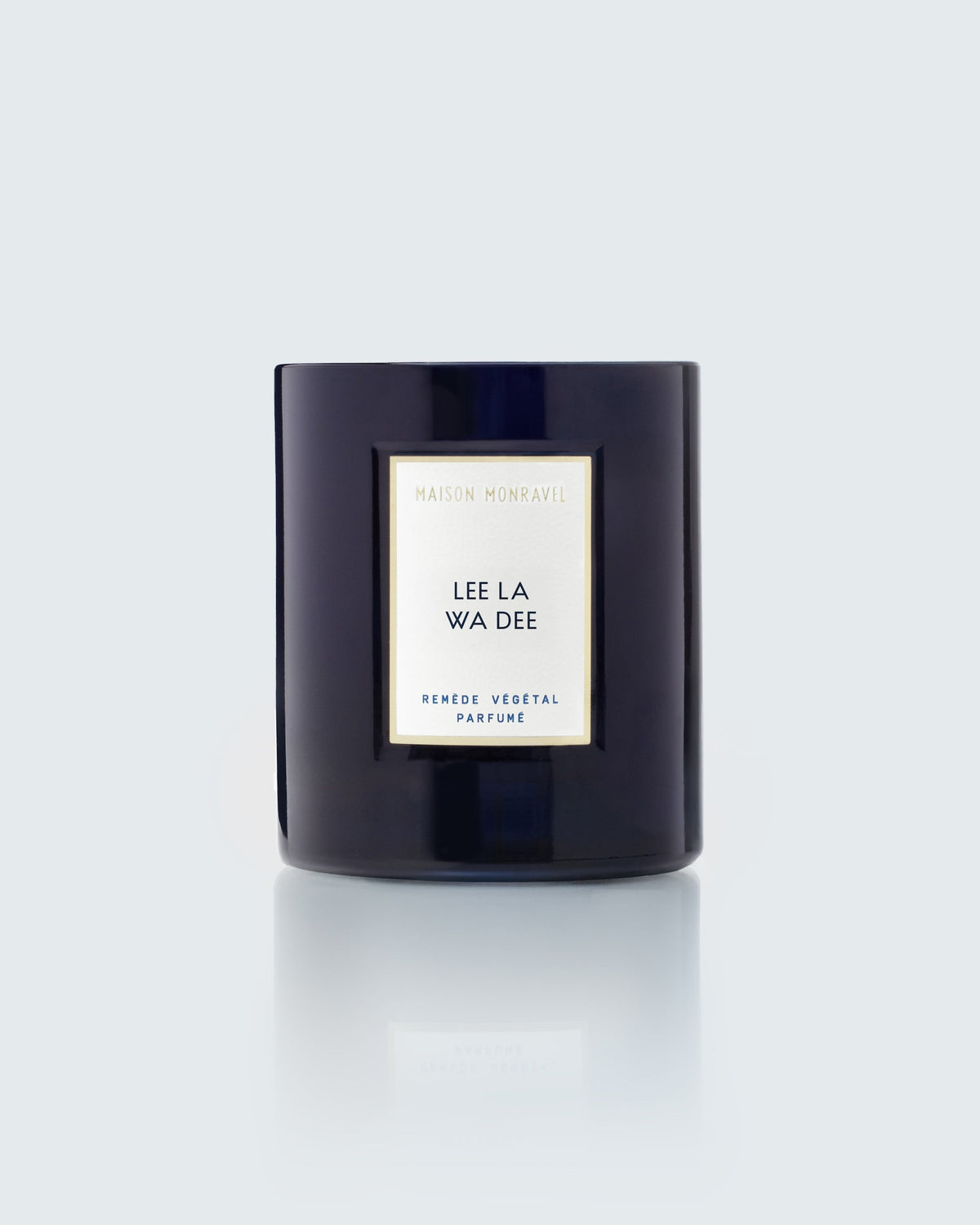
The orange holds a place of its own. The Arabs brought the bitter orange to Europe, Portuguese navigators the sweet orange. For a long time, it was given at Christmas as a rare gift. It brings a round, gourmand light to Lee La Wa Dee and Sancta Myrrha.
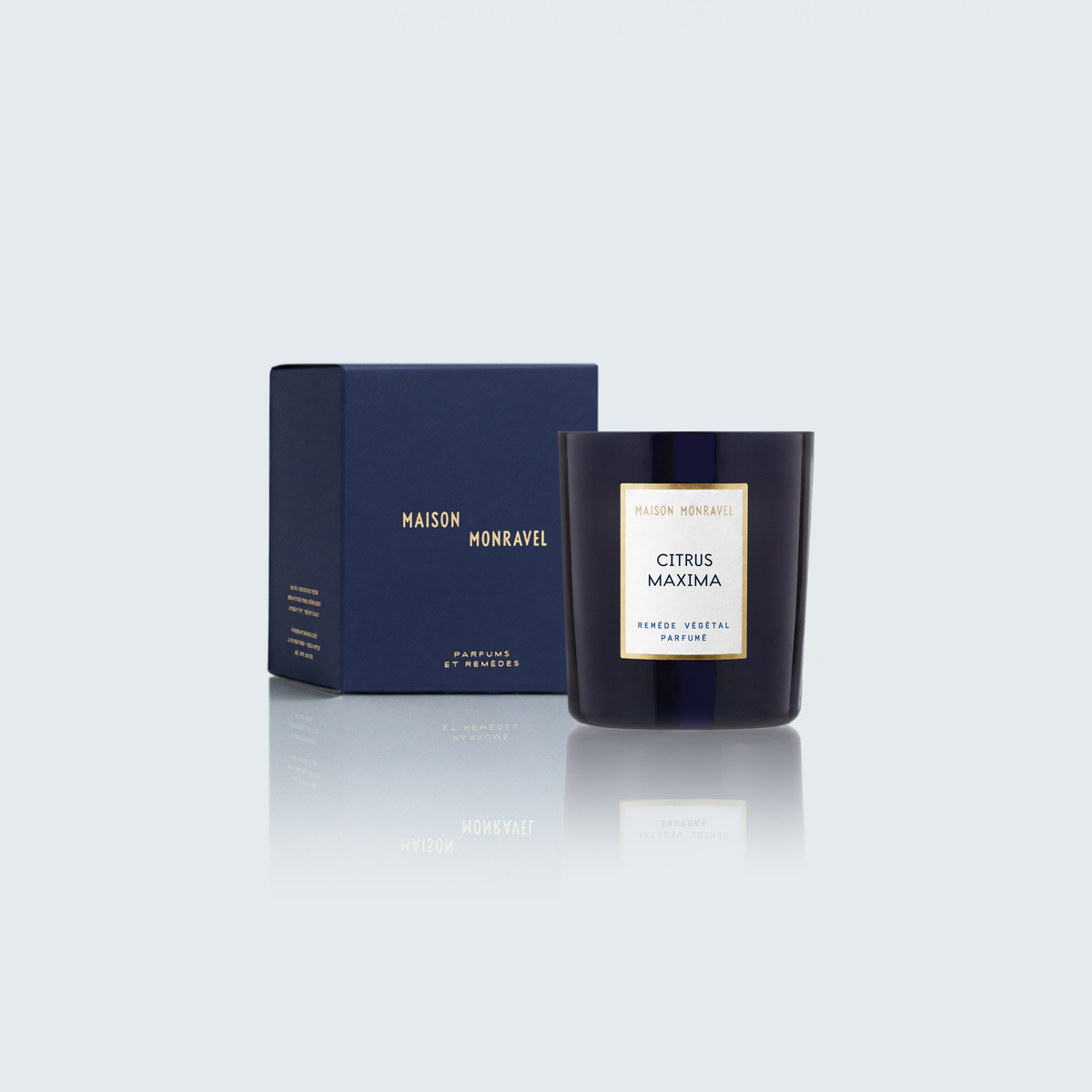
In Citrus Maxima, mandora and blood orange answer neroli and petitgrain. The fragrance is inspired by the gardens of Cap Martin and the Ligurian coast. The blood orange owes its red flesh to the cool nights of Sicily, at the foot of Etna. Petitgrain takes its name from the small green fruits once distilled.
Rhubarb, finally, comes as a surprise. It is not a fruit but a stalk, cooked as if it were one. Its root came from China along the Silk Roads and was long a treasure of the apothecaries. In Citrus Maxima, it brings the peels a green, tangy note, almost sparkling.